
Calendar of Classes
[FALL2026] Beginner IV Yiddish (Thursday)
This weekly class develops listening, speaking, writing, and reading skills. It is primarily for students who have completed Beginner III Yiddish or equivalent coursework.
[FALL2026] Intermediate IV Yiddish
This weekly class develops listening, speaking, writing, and reading skills. It is primarily for students who have completed Intermediate III Yiddish or equivalent coursework.
[FALL2026] Beginner I Yiddish (Thursday)
This weekly class covers the alef-beys and grammar, vocabulary, and conversational basics. It is for those who are new to the Yiddish language or would like a review.
[FALL2026] Advanced I Yiddish (Twice-a-week)
This twice-weekly class enhances listening, speaking, writing, and reading skills. It is primarily for students who have completed Intermediate IV Yiddish or equivalent coursework.
[FALL2026] Advanced I Yiddish
This weekly class develops listening, speaking, writing, and reading skills. It is primarily for students who have completed Intermediate IV Yiddish or equivalent coursework.
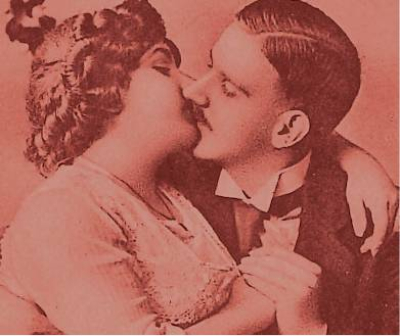
[FALL2026] Bodies, Desire, and Sexuality in Eastern European Jewish History
Aleksandra Jakubczak explores how Jews in Eastern Europe understood and experienced the body, sexuality, and desire in the modern era, looking beyond marriage and family life to examine a wide range of intimate experiences and practices.
[FALL2026] Intermediate II Yiddish
This weekly class develops listening, speaking, writing, and reading skills. It is primarily for students who have completed Intermediate I Yiddish or equivalent coursework.
[FALL2026] Beginner III Yiddish (Sunday Morning)
This weekly class develops listening, speaking, writing, and reading skills. It is primarily for students who have completed Beginner II Yiddish or equivalent coursework.
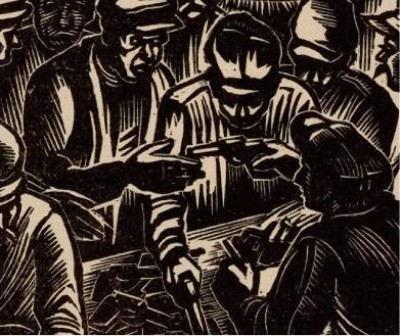
[FALL2026] Advanced Topics in Yiddish Literature and Grammar: The Yiddish Underworld
This weekly class enhances listening, speaking, writing, and reading skills. It is appropriate for Yiddish students at the advanced level.
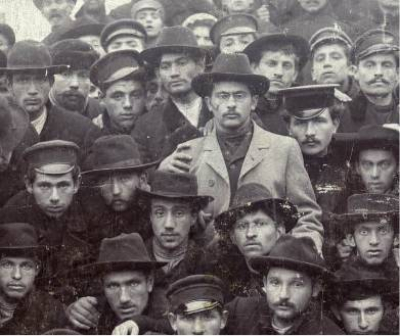
[FALL2026] Pogroms and Jewish Self-Defense in the Russian Empire, 1881-1921
Netta Ehrlich examines Jewish self-defense as a response to anti-Jewish violence in the Russian Empire, exploring both the practice itself and how it was represented in literature and contemporary documentation.
[FALL2026] Advanced V Yiddish (Sunday Afternoon)
This weekly class enhances listening, speaking, writing, and reading skills. It is primarily for students who have completed Advanced IV Yiddish or equivalent coursework.
[FALL2026] Beginner IV Yiddish (Sunday)
This weekly class develops listening, speaking, writing, and reading skills. It is primarily for students who have completed Beginner III Yiddish or equivalent coursework.
[FALL2026] Beginner III Yiddish (Sunday Afternoon)
This weekly class develops listening, speaking, writing, and reading skills. It is primarily for students who have completed Beginner II Yiddish or equivalent coursework.
[FALL2026] Advanced V Yiddish (Sunday Evening)
This weekly class enhances listening, speaking, writing, and reading skills. It is primarily for students who have completed Advanced IV Yiddish or equivalent coursework.
[FALL2026] Beginner II Yiddish (Monday)
This weekly class develops listening, speaking, writing, and reading skills. It is primarily for students who have completed Beginner I Yiddish or equivalent coursework.
[FALL2026] Advanced III Yiddish
This weekly class enhances listening, speaking, writing, and reading skills. It is primarily for students who have completed Advanced II Yiddish or equivalent coursework.
[FALL2026] Intermediate I Yiddish
This weekly class develops listening, speaking, writing, and reading skills. It is primarily for students who have completed Beginner IV Yiddish or equivalent coursework.
[FALL2026] Beginner I Yiddish (Tuesday)
This weekly class covers the alef-beys and grammar, vocabulary, and conversational basics. It is for those who are new to the Yiddish language or would like a review.
[FALL2026] Beginner II Yiddish (Tuesday)
This weekly class develops listening, speaking, writing, and reading skills. It is primarily for students who have completed Beginner I Yiddish or equivalent coursework.
[FALL2026] Advanced II Yiddish
This weekly standard class enhances listening, speaking, writing, and reading skills. It is primarily for students who have completed Advanced I Yiddish or equivalent coursework.
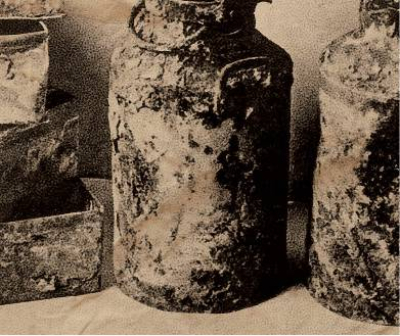
[FALL2026] Spiritual Resistance in the Warsaw Ghetto: Emanuel Ringelblum and the 'Oyneg-Shabes' Archive
Samuel Kassow explores the Oyneg-shabes archive as an act of spiritual and cultural resistance in the face of Nazi oppression.
[FALL2026] Intermediate I Yiddish (In-person)
This weekly class develops listening, speaking, writing, and reading skills. It is primarily for students who have completed Beginner III Yiddish, Beginner IV Yiddish, or equivalent coursework.
[FALL2026] Intermediate III Yiddish
This weekly class develops listening, speaking, writing, and reading skills. It is primarily for students who have completed Intermediate II Yiddish or equivalent coursework.
[FALL2026] Beginner I Yiddish (Wednesday)
This weekly class covers the alef-beys and grammar, vocabulary, and conversational basics. It is for those who are new to the Yiddish language or would like a review.
[FALL2026] The Memoirs of Puah Rakovsky
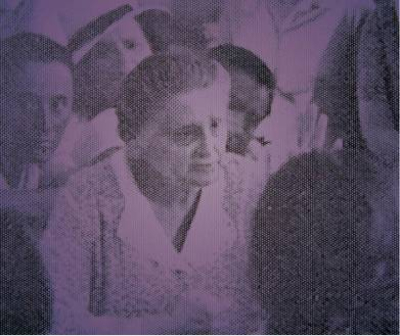
Vera Szabó guides students through excerpts from the memoir of educator, feminist, and Zionist Puah Rakovsky, examining its historical and cultural context, voice, and stylistic variation.
[FALL2026] Beginner I Yiddish (In-person)
This weekly class covers the alef-beys and grammar, vocabulary, and conversational basics. It is for those who are new to the Yiddish language or would like a review.
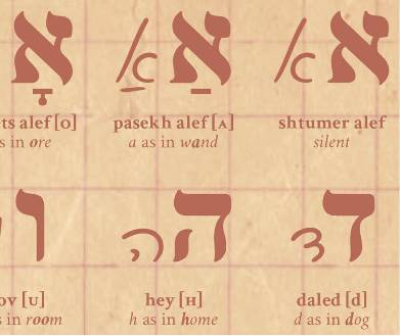
[WY2027] Alefbeys Workshop
Josh Price prepares students to start learning Yiddish with an introduction to the Yiddish alphabet, basic reading, writing, and pronunciation.
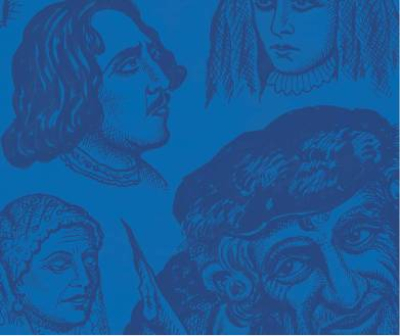
[WY2027] 150 Years of Modern Yiddish Theater: The One-Act Play
Abraham Lichtenbaum traces how the one-act play brought great literature to Yiddish-speaking audiences and helped make Yiddish theater a lasting cultural force.
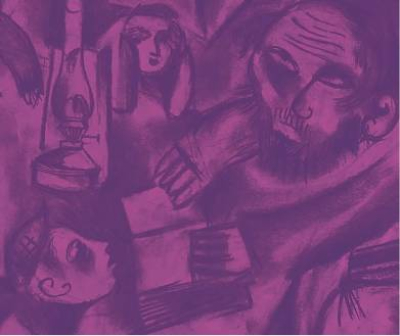
[WY2027] Der yidisher hamlet: A Lively Theatrical Salon
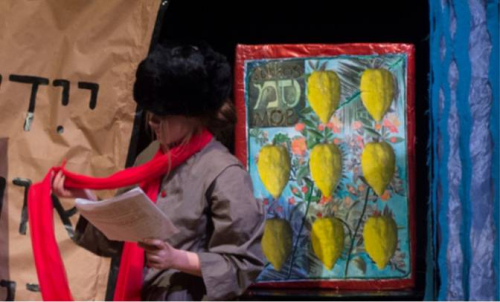
Reading aloud in the tradition of Yiddish literary salons, Mikhl Yashinsky leads a group through Der yidisher hamlet, an 1897 adaptation that moves Shakespeare’s tragedy to a Hasidic rebbe’s court.
[WP2027] Ester Frumkin and Other Women of the Bund
[WP2027] How Mensches Were Made: Politics and Ethics in Yiddish Children’s Literature
[WP2027] Four Strategies for Jewish Survival
[WP2027] The Rise of Jewish Warsaw: 1862-1939
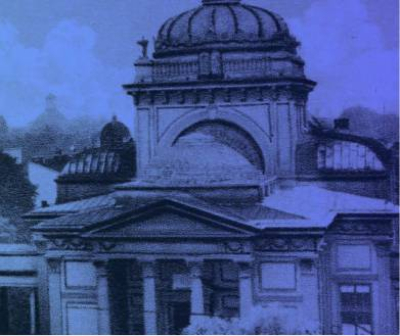
Samuel Kassow traces Warsaw’s rise as a Jewish metropolis, where the Jewish population grew five-fold and the city became a center of Jewish politics, literature, and culture.
[WP2027] Ukrainian Jewish History from Khmelnytsky to Zelensky
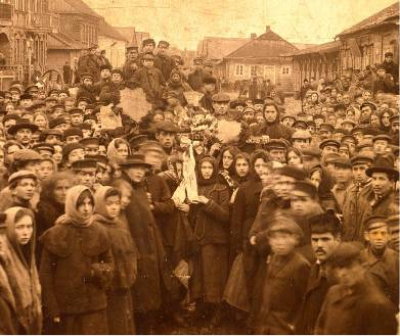
David Fishman explores Ukraine as a site of both great Jewish tragedy and extraordinary Jewish creativity, from the sixteenth century to the present day.
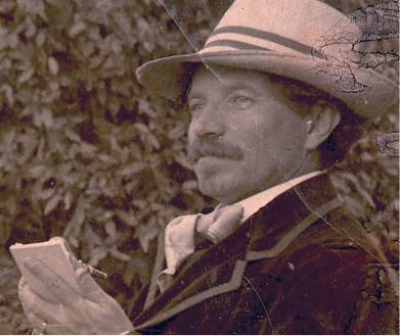
[WY2027] “Let’s Talk About Something More Cheerful”: An Introduction to Sholem Aleichem
Josh Price introduces Sholem Aleichem, the torchbearer of modern Yiddish literature, and the tragicomic tradition his unique voice helped create.
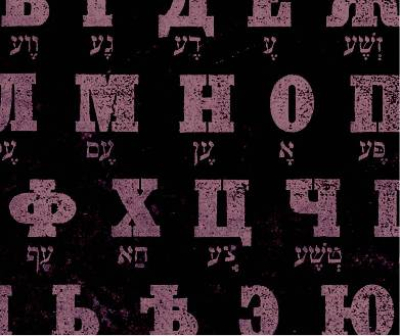
[WP2027] Kissing Through a Veil: A History of Jewish Translation
From biblical times to the modern era, Ilan Stavans examines the great Jewish translators and the texts they carried across more than a dozen languages.
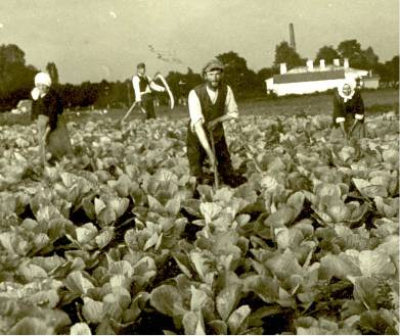
[WP2027] Jewels from the Earth: Jewish Agriculturalism on Four Continents
Jonathan Dekel-Chen reveals how hundreds of thousands of Jewish farmers worked millions of acres around the world, and the philanthropic campaigns that made it possible.
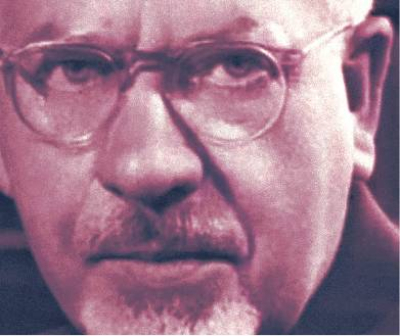
[WP2027] Mordecai Kaplan and the Reinvention of Jewish Identity in America
Jenna Weissman Joselit examines the life and ideas of Mordecai Kaplan, one of the most celebrated and most criticized figures in twentieth-century American Judaism.
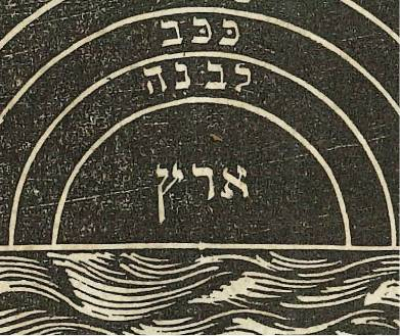
[WP2027] The Wonders of Creation: Science, Nature, and the Supernatural in Ashkenazi Culture
Elly Moseson examines where science, magic, and religion met in Ashkenazi culture, and how Jewish scholars responded to the rise of modern science.
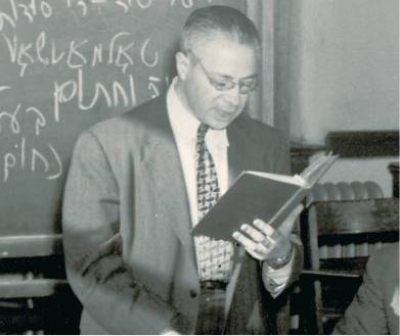
[WY2027] Yiddish and Yidishkeyt in the Lives and Work of Max Weinreich and Solomon Birnbaum
Kalman Weiser explores the intertwined careers of Max Weinreich and Solomon Birnbaum, two giants of Yiddish scholarship with competing visions of the language.
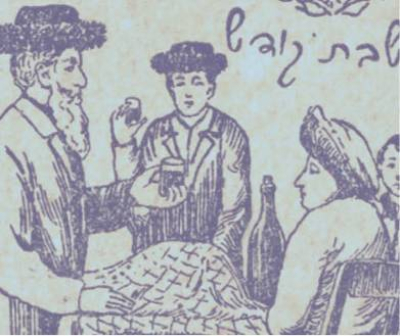
[WP2027] The Jewish Nineteenth Century
Ofer Dynes and Alex Valdman trace the making of Jewish modernity, from Hasidism and the Jewish Enlightenment to modern Jewish politics, through Hebrew and Yiddish classics and primary documents.
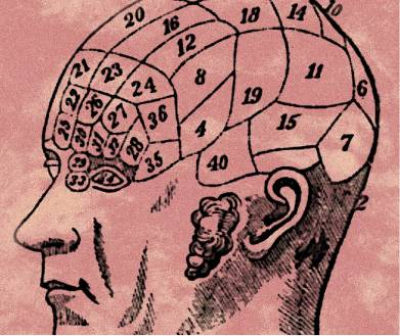
[WP2027] Eugenics and the Jews: An American History and Beyond
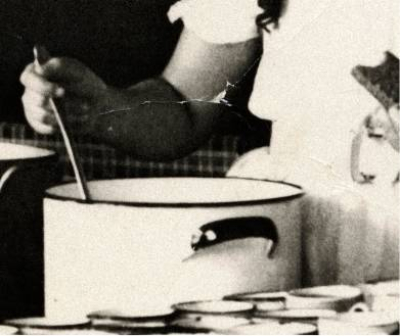
[WY2027] Rozhinkes mit mandlen: Winter Fruit and Nuts in Ashkenazic Cuisine
Eve Jochnowitz recreates recipes and techniques from Yiddish sources that Jewish balebostes used to stay healthy through bitter Eastern European winters.
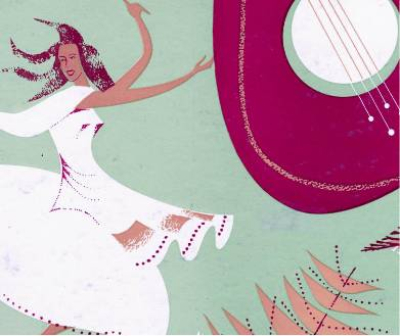
[WY2027] Khanele di kuritse mit di lange hent (Chane the Shorty with Long Arms): A Ruth Rubin Zingeray
The Klezmatics’ Lorin Sklamberg leads a singalong through the Yiddish folksongs collected by Ruth Rubin, celebrating the 120th anniversary of her birth.