
On the Threshold of a New Yiddish Language
|
Yiddish Civilization Lecture Series
Admission: Free Registration is required. |
Daria Vakhrushova | Delivered in Yiddish.
פֿאַר אַן אָנהייב פֿון אַ נײַער ייִדישער שפּראַך
דאַריע וואַכרושאָווע
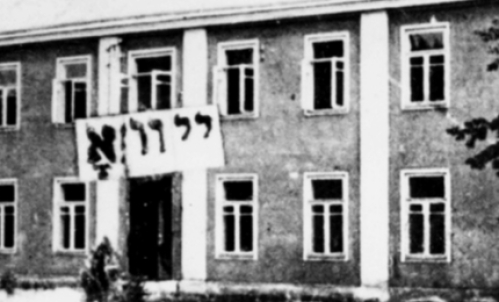
„מיר שטייען, קען זײַן, פֿאַר אַן אָנהייב פֿון אַ נײַער ייִדישער שפּראַך – אַ ייִדיש־רוסישער“, האָט אײַזיק זאַרעצקי פּראָקלאַמירט אין 1930. דער טעזיס האָט גורם געווען היציקע דעבאַטעס צווישן סאָוועטיש־ייִדישע שפּראַך־וויסנשאַפֿטלער. דאָס סאָוועטישע ייִדיש איז ביז הײַנט צו טאָג דער עיקר באַוווּסט צוליב דער שטאַרקער רוסישער השפּעה אויף אים, אָבער צי איז רוסיפֿיצירונג טאַקע געווען די איינציקע ריכטונג פֿונעם אַנטװיקל־גאַנג פֿון ייִדיש אין ראַטן־פֿאַרבאַנד? דאָרטן איז ייִדיש צום ערשטן מאָל אין דער געשיכטע געשטיצט געוואָרן דורך דער מלוכה און אָפֿיציעל געוואָרן אַ „נאַציאָנאַלע שפּראַך“, כאָטש אין גאָר אַן אַנדער זינען ווי אין דעם באַשלוס פֿון דער טשערנאָוויצער שפּראַך־קאָנפֿערענץ (1908). ווי ווערט פֿון אַ געוועזענעם „זשאַרגאָן“ אַ „נאַציאָנאַלע שפּראַך“? ווי אַזוי בויט מען אַן אמתע „קולטורשפּראַך“? וואָס נעמט מען איבער בירושה? וואָס בײַט מען? וואָס באָרגט מען בײַ די שכנים? חוץ באַלײַכטן די באַגריפֿן פֿאָלקשפּראַך, קולטורשפּראַך און ליטעראַרישער שפּראַך, וועט דאַריע װאַכרושאָװע אויך באַהאַנדלען די קאָנקרעטע מיטלען פֿון דער סאָװעטישער סבֿיבֿה דוכרצופֿירן שפּראַך־פּאָליטיק (דורך שפּראַך־לימוד, פֿאַך־קאָנפֿערענצן און פֿאָרשפּראָיעקטן), ווײַזנדיק דערבײַ עטלעכע כאַראַקטעריסטישע אייגנשאַפֿטן פֿון סאָוועטישן ייִדיש.
“We may be standing at the threshold of a new Yiddish language – Yiddish-Russian,” proclaimed Ayzik Zaretski in 1930. This claim sparked heated debates among Soviet Yiddish linguists. Indeed, Soviet Yiddish is still best known today for its major influence from Russian, but was Russification the only driving force behind the linguistic developments in the Soviet Union? In that country, Yiddish received state support for the first time in its history and officially became a “national language,” even though the term carried rather different implications than it did at the Czernowitz language conference (1908). How does a former zhargon, as it was widely and derisively referred to, become a national language? How does one develop a kulturshprakh (‘language of culture’, i.e., one with widely recognized standards that is accepted as an adequate medium for all levels of communication – from “high culture” downward)? What is to be retained? What should be changed? What should be borrowed from neighbors? Apart from addressing concepts such as folkshprakh, kulturshprakh, and literarishe shprakh, Daria Vakhrushova will also examine the practical means in the Soviet setting to employ language policy (via language learning, linguistic conferences, research projects); in so doing, several samples of characteristic features of Soviet Yiddish will be presented.
About the Speaker
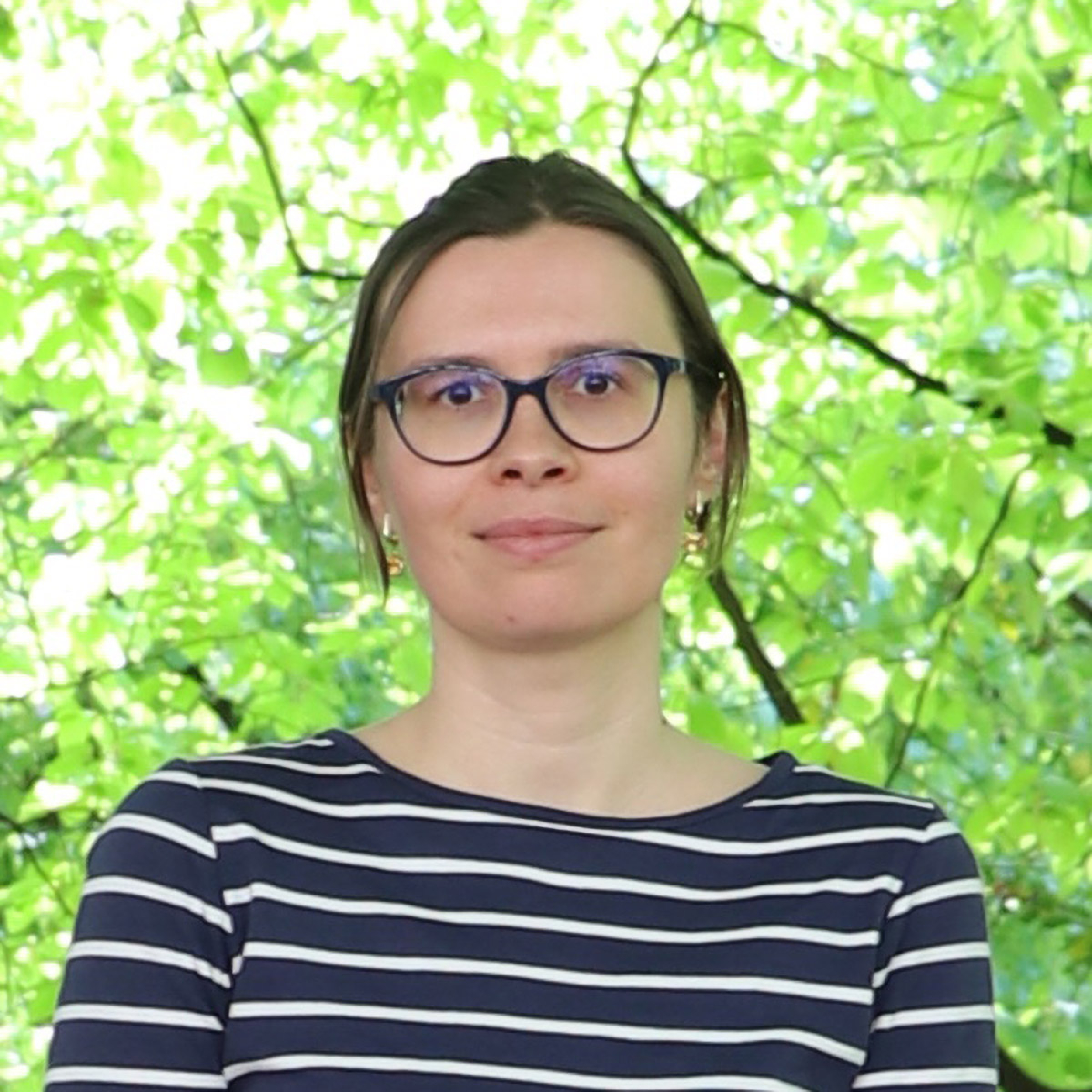
Daria Vakhrushova is a Yiddish lecturer at Ludwig Maximilian University Munich. She studied Translation and Translation Theory at Nizhny Novgorod State Linguistics University and received her PhD in Yiddish Culture, Language, and Literature in Düsseldorf in 2022. Her research focuses on Soviet Yiddish culture, literature, and translation. One of her particular interests is Yiddish grammar, in both its practical and theoretical dimensions. Her recently published book, Red Jews: Soviet Yiddish Culture, 1917–1934, examines Yiddish literary manifestos, literature, and translation projects in the Soviet Union.